Barnet Council rules for garden waste disposal Mill Hill: a practical guide for homeowners and gardeners
If you live in Mill Hill and you've got a pile of hedge cuttings, lawn clippings, leaves, or an overgrown border that's gone a bit wild, the rules around disposal can feel oddly confusing. Barnet Council rules for garden waste disposal Mill Hill matter because the wrong bag, the wrong bin, or the wrong collection method can leave you with missed pickups, extra effort, or waste that ends up sitting around longer than it should. And let's face it, nobody wants a damp heap of green waste taking over the side path for another week.
This guide breaks the topic down in plain English. You'll learn what counts as garden waste, how local disposal usually works, what tends to be accepted or rejected, where people go wrong, and how to choose the simplest route for your own garden. If you want a clean, tidy result without second-guessing every branch and grass clipping, you're in the right place.
Table of Contents
- Why Barnet Council rules for garden waste disposal Mill Hill matters
- How Barnet Council rules for garden waste disposal Mill Hill works
- Key benefits and practical advantages
- Who this is for and when it makes sense
- Step-by-step guidance
- Expert tips for better results
- Common mistakes to avoid
- Tools, resources and recommendations
- Law, compliance, standards, or best practice
- Options, methods, or comparison table
- Case study or real-world example
- Practical checklist
- Conclusion
- Frequently asked questions
Why Barnet Council rules for garden waste disposal Mill Hill Matters
Garden waste seems simple until you try to get rid of it. A few bags of clippings can turn into mixed waste with soil, pots, treated timber, or broken tools. Once that happens, disposal stops being straightforward. Barnet Council's approach to garden waste disposal is there to keep collections efficient, reduce contamination, and make sure green waste can be handled properly rather than ending up in the wrong stream.
For Mill Hill residents, the practical side matters just as much as the official rules. Local streets can be busy, front gardens are often small, and many homes don't have loads of spare storage for waste. If you prune a hedge on a Saturday morning, you probably want a route that is tidy, compliant, and not a faff. That's really the whole point.
There is also a financial angle. If you mix garden waste with general rubbish, or use the wrong container, you may create delays or extra handling. Even where a council collection is available, the material often has to be presented in a specific way. Small detail, big difference.
Expert summary: The safest approach is to separate pure green waste from everything else, present it neatly, and check the current collection rules before you put anything out. Simple, but it saves a lot of trouble.
How Barnet Council rules for garden waste disposal Mill Hill Works
In practice, garden waste disposal usually falls into a few broad categories: council collection, home composting, reuse on site, or private clearance. The exact local process can change, so it's always wise to check the current Barnet Council guidance before setting anything out. What stays consistent is the logic behind the rules: keep garden waste separate, keep it clean, and keep it easy to process.
Most councils in London expect garden waste to be made up of biodegradable material from the garden itself. That usually means grass cuttings, hedge trimmings, small branches, leaves, weeds, and plant material. Heavy contamination changes the load. Soil, rubble, stones, plastic plant pots, bags, and general household waste are the usual problems.
In Mill Hill, timing matters too. If you've just finished a lot of trimming work in the rain, the waste can become heavy fast. Wet grass clippings clump together. Thorny clippings snag on bags. Branches poke through anything flimsy. The result? A container that is awkward to move and annoying to empty. Not exactly a lovely Saturday.
If you're dealing with a bigger clearance, the most efficient option is often to group waste by type before disposal. For example:
- soft green waste: grass, leaves, weeds, dead flowers
- woody waste: hedge trimmings, twigs, small branches
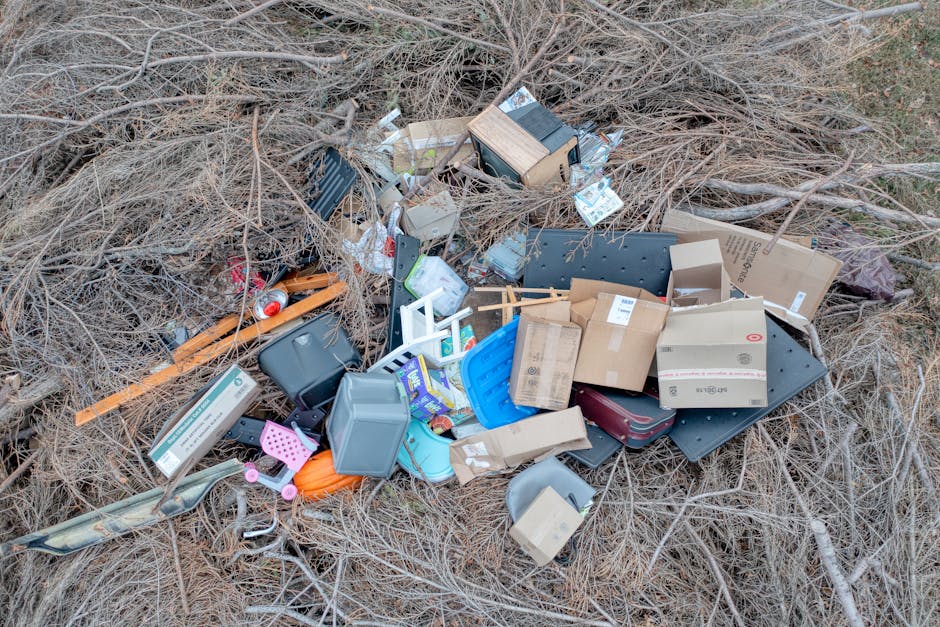
- problem waste: soil, turf, pots, stones, treated wood, mixed rubbish
That separation is useful because it helps you avoid accidental contamination. It also makes the load easier to move, whether you're presenting it for collection or arranging a clearance service. Small thing, really, but it makes the whole job feel less chaotic.
If you want help with larger amounts of green waste before it gets sorted, a local garden clearance service can be a practical shortcut, especially after a big tidy-up or a pre-sale clean-through.
Key Benefits and Practical Advantages
Following the local rules is not just about avoiding problems. Done well, it makes garden maintenance easier across the board. Here are the main advantages.
- Cleaner collection - separated waste is easier to handle and less likely to be rejected.
- Less mess - your path, driveway, and kerbside stay neater when waste is bagged or contained correctly.
- Better recycling outcomes - green waste is more likely to be processed properly when it is uncontaminated.
- Less backtracking - you avoid the classic "oh no, that's not allowed" moment after you've already done the hard work.
- Faster garden turnaround - tidier disposal helps you move from cutting to finishing in one go.
There's also a wellbeing angle. A cleared garden feels calmer. You hear it immediately: less rustle of loose bags, less crunch underfoot, fewer half-finished piles. If your garden is your Sunday coffee spot, you want the space back quickly, not waiting around for another collection cycle.
When people in Mill Hill ask what really changes the experience, the answer is usually organisation. The rules help, but the real win is knowing what goes where before the pile becomes a problem.
Who This Is For and When It Makes Sense
This topic is relevant for more people than you might expect. Garden waste builds up in different ways, and the best solution depends on the size of the job and the type of waste involved.
You'll likely benefit from understanding Barnet's garden waste disposal rules if you are:
- a homeowner doing routine garden upkeep
- a tenant looking after a shared outdoor space
- a landlord preparing a property for new occupants
- a gardener or property manager handling seasonal cutbacks
- someone tackling a one-off clear-out after storms, overgrowth, or landscaping work
It also makes sense if you're trying to decide between a council collection and a private service. A small amount of grass and hedge trimmings may be easy to manage yourself. A whole load of branches after a hard prune? That's a different story. Truth be told, once the waste starts filling more than a few bags, you need to think about the time, lifting, and transport as much as the disposal itself.
For example, if you've recently had hedge work done, it can be useful to combine disposal planning with the job itself. A hedge trimming service can reduce the volume and leave you with cleaner cuttings to sort, rather than a tangle of awkward branches you have to wrestle with later.
And if your garden needs regular upkeep rather than a one-off tidy, ongoing garden maintenance can keep the waste volume more predictable. That's the sort of thing people often overlook until the bins start overflowing.
Step-by-Step Guidance
If you want a simple, compliant way to handle garden waste in Mill Hill, follow this process.
- Sort the waste before you touch the bin. Separate pure green waste from anything mixed or non-biodegradable.
- Remove contamination. Take out plastics, plant labels, ties, stones, and broken pots. Soil is often the troublemaker here.
- Cut bulky material down. Long branches and dense hedge trimmings are easier to manage when reduced to a more compact size.
- Use the right container. Put waste in the container or format required by the current collection arrangement. Don't improvise if the council says otherwise.
- Keep weight sensible. Overfilled or overly heavy containers are harder to move and can create problems at collection time.
- Put it out at the right time. Follow the scheduled day and any presentation rules carefully.
- Check what was left behind. If a load is rejected, identify the issue quickly so you can fix it rather than repeating the same mistake.
A useful habit is to do a quick "garden waste scan" before collection day. Walk around with one eye on the pile and one on what actually belongs in it. You'll spot mixed rubble, stubborn bits of turf, or the odd forgotten plastic tie in seconds. It sounds slightly over the top, but it saves real time.
If you're working through a bigger outdoor project, combining disposal with a more structured service can be sensible. The broader range of services overview is a helpful starting point if you're comparing what kind of help fits the job.
Expert Tips for Better Results
Over time, the simplest jobs become the easiest only when the setup is right. A few small habits make a big difference.
- Trim before you bag. Shorter pieces settle better and reduce awkward protruding edges.
- Let wet waste drain a little. Saturated grass and leaves become heavier than you think.
- Keep woody waste separate from soft waste. It helps with handling and makes your pile easier to judge.
- Don't mix in household rubbish. That's the fast lane to rejection.
- Use proper gloves and eye protection. Thorny shrubs and snapped twigs can catch you out quickly.
- Plan around the weather. A dry morning often makes disposal far less messy than a damp afternoon.
Here's a small real-world observation: after a windy spell, gardens tend to produce more mixed debris than people expect. It's not just leaves. You get twigs, seed pods, the odd bit of bark, and debris blown in from next door. In those cases, sorting first is a lot less annoying than trying to tidy the mess after the fact.
If you regularly manage clippings, lawn waste, or seasonal cutbacks, matching disposal to routine upkeep helps. A well-kept lawn through lawn mowing usually means smaller, more manageable waste volumes, which is a nice side effect. Nothing fancy. Just practical.
Common Mistakes to Avoid
Most problems with garden waste disposal come from the same handful of mistakes. The good news is they're easy to avoid once you know what to watch for.
- Putting soil in with green waste - this is one of the most common contamination issues.
- Mixing in plastic or metal - plant ties, labels, wire, and broken tools belong elsewhere.
- Overfilling containers - it becomes difficult to lift, close, or collect properly.
- Ignoring size limits for branches - long woody material can be awkward even when it's technically "green".
- Leaving waste loose in the street - it's untidy and can create obstruction or spillage.
- Assuming all councils accept the same presentation - local rules do vary, so never rely on guesswork.
A slightly funny one, but true: people often spend ages pruning a shrub and then casually throw the tough, thorny bits into a thin bag like that bag is somehow made of magic. It isn't. The bag loses every time.
If you're dealing with mixed waste from a larger job, a more organised clearance can be better than trying to "make it work" with household containers. The result is usually cleaner and, frankly, less stressful.
Tools, Resources and Recommendations
You do not need a garage full of specialist kit to deal with garden waste well. A few basic tools make the process much easier.
- Heavy-duty garden sacks for loose leaves, grass, and light trimmings
- Rake and leaf grabber to gather soft waste efficiently
- Loppers or secateurs for cutting awkward stems down to size
- Tarpaulin to drag cuttings without scattering them everywhere
- Gloves for handling rough, wet, or thorny material
- Wheelbarrow for moving heavier loads safely across the garden
As a practical recommendation, keep your disposal gear separate from your planting and maintenance tools. That way, when it's time to clear up, you're not hunting through the shed for the one pair of gloves that hasn't vanished. Every garden has that one missing glove, somehow.
If you care about reducing waste overall, it is worth thinking about reuse and recycling before disposal. The recycling and sustainability approach on the site reflects that broader mindset: cut waste where you can, separate properly, and avoid sending usable material into the wrong stream.
For safety-conscious work, especially where branches are large or awkward, review the health and safety policy and the insurance and safety information if you are choosing professional help. It's not just paperwork; it tells you something about how carefully a job is handled.
Law, Compliance, Standards, or Best Practice
Garden waste disposal sits inside a wider UK framework around waste handling, local authority collections, environmental responsibility, and duty of care. In normal household use, the main thing for residents is to follow the collection rules given by the council and avoid contaminating recyclable or compostable material. That is the part people actually control day to day.
Best practice is straightforward:
- keep garden waste separate from general rubbish
- do not include hazardous or non-organic items
- present waste in the format the local service expects
- avoid overloading containers beyond safe handling
- use reputable clearance support for larger or more complex jobs
If you are arranging a private collection or clearance, it is sensible to ask how waste is sorted, transported, and disposed of. A trustworthy provider should be clear about process, safety, and what happens to the material after collection. No waffle. Just direct answers.
For customers comparing services, browsing the pricing and quotes page can help frame expectations before you book. And if you want to understand the business behind the service, the about us page gives you a clearer sense of the company's approach and standards.
Options, Methods, or Comparison Table
There is no single perfect method for every garden. The right choice depends on volume, waste type, time, and whether you'd rather do the lifting yourself. Here's a simple comparison.
| Method | Best for | Pros | Watch-outs |
|---|---|---|---|
| Council garden waste collection | Routine soft green waste | Convenient for regular small volumes, straightforward when correctly sorted | May have specific rules, collection dates, and container requirements |
| Home composting | Leaves, grass, small plant matter | Low waste, useful for beds and borders, environmentally sensible | Not suitable for all material, needs space and a bit of patience |
| DIY transport to a facility | Smaller loads if you have a vehicle and time | Good control over timing, handy for mixed household jobs | Loading, driving, and unloading can be more effort than expected |
| Professional garden clearance | Large, heavy, or mixed loads | Fast, practical, less physical strain, usually easiest for big jobs | Cost varies by volume and complexity |
For many Mill Hill households, the decision is really between convenience and scale. If the waste is light and regular, a council route may suit. If you've got a large hedge cut, a border redesign, or a post-storm clean-up, a clearance option can save a lot of time and shoulder ache. Quite a lot, actually.
For broader property work, it can also help to think in terms of the whole garden rather than just the waste. Jobs like landscaping, landscape gardening, or even decking services often create disposal needs as part of a larger project, so it makes sense to plan the removal side early.
Case Study or Real-World Example
Picture a typical Mill Hill front garden after a late summer tidy-up. The hedge has been reduced, the lawn has been cut back, and there are several bags of clippings, a few thicker twigs, and a small pile of weeds that came out with a surprising amount of root. Nothing dramatic. Just enough to be annoying if it's left in the corner by the shed.
The homeowner has two options. They can try to squeeze everything into one mixed container and hope for the best, or they can sort the waste properly first. In the second approach, the grass and leaves go one way, the woody bits go another, and the soil-heavy root material is kept separate. The load becomes lighter, easier to move, and much more likely to meet the rules for collection or disposal.
That's the real-world lesson: most garden waste problems are not about the waste itself, but about how it is presented. A tidy, separated pile is just easier to live with. And quicker. Always quicker.
If the job grows beyond a simple tidy, a structured clearance service can be the calmer option. It's especially helpful when the task is part of a larger seasonal reset, or when you've got branches, debris, and awkward leftovers from a more ambitious weekend project.
Practical Checklist
Use this checklist before you put any garden waste out for collection or arrange disposal.
- Have I separated green waste from general rubbish?
- Have I removed plastic, wire, pots, stones, and other contamination?
- Are branches, hedge cuttings, and clumps cut down to a manageable size?
- Is the waste dry enough to handle safely and sensibly?
- Am I using the right container or collection format?
- Have I checked the current Barnet Council guidance for any specific rules?
- Have I kept the load within safe weight and volume limits?
- Do I need help with a larger or mixed clearance job?
If you can tick most of those off, you're in good shape. If not, pause and sort it now. That little bit of extra care is usually the difference between a smooth disposal and a frustrating do-over.
Get a free quote today and see how much you can save.
Conclusion
Understanding Barnet Council rules for garden waste disposal Mill Hill is less about memorising every detail and more about building a simple habit: separate, sort, and dispose cleanly. Once you do that, garden waste becomes much less of a headache. The process is calmer, the garden looks better, and you avoid the awkward "what do I do with this pile now?" moment that tends to hit right after you finish pruning.
For small, regular jobs, a tidy council-friendly routine may be all you need. For bigger clear-outs, mixed waste, or projects that spill over into landscaping or maintenance work, a more hands-on professional approach can make life easier. Either way, the goal is the same: a neat garden and less hassle. That's a pretty good outcome, honestly.
If you're weighing up your next step, look at the amount of waste, the type of material, and how much time you want to spend lifting, sorting, and waiting. Then choose the simplest option that keeps you compliant and keeps the garden moving forward. Nice and steady wins here.
Frequently Asked Questions
What counts as garden waste under Barnet Council rules in Mill Hill?
Garden waste usually means biodegradable material from the garden, such as grass cuttings, leaves, hedge trimmings, weeds, small branches, and plant matter. Mixed rubbish, soil, stones, plastics, and pots are usually not treated the same way.
Can I put soil in my garden waste collection?
Soil is commonly a problem because it contaminates green waste and makes loads heavier. In many cases it needs separate handling, so it's best not to mix it in unless the current local guidance specifically says otherwise.
Do I need to separate hedge trimmings from grass cuttings?
It is often sensible to separate woody hedge material from softer green waste. Even if both are organic, they behave differently and can be easier to handle when sorted into smaller, cleaner piles.
What should I do with branches and thicker garden waste?
Cut them down to a manageable size if possible. If the branches are too bulky, heavy, or awkward, a garden clearance service may be more practical than trying to force them into a standard collection setup.
Is home composting a good option in Mill Hill?
Yes, for the right material. Leaves, grass, and soft plant waste can often be composted at home. It saves space in collections and is useful if you want to reuse the end product in borders or beds.
What happens if I put the wrong items in with green waste?
Your waste may be rejected, left behind, or require re-sorting. The main issue is contamination, which can make the whole load harder to process. A quick check before collection day avoids most of that.
How often should I clear garden waste during the growing season?
That depends on how fast your garden grows. In spring and summer, weekly or fortnightly maintenance can stop waste from building up into one big, awkward job. It is much easier to keep on top of it than play catch-up later.
Is it better to use council collection or a private garden clearance service?
For small, regular amounts, a council route can work well. For larger, mixed, heavy, or time-sensitive clear-outs, a private service is often more convenient and less physically demanding.
Can I dispose of garden waste after landscaping work?
Yes, but landscaping often creates mixed material rather than just clean green waste. If you've got turf, soil, roots, or debris from a larger project, it helps to plan disposal alongside the work itself.
How do I avoid missed collections or rejected loads?
Keep the waste clean, separate material properly, use the correct container or format, and follow the current collection guidance closely. Most issues come from contamination, overfilling, or putting items out in the wrong way.
Can professional gardeners help with waste disposal as well as the gardening work?
Yes, and that's often the neatest option. If pruning, mowing, hedge trimming, or clearance is part of the job, it can be easier to have the waste handled as part of the same process rather than dealing with it separately afterwards.
What is the simplest next step if I have a lot of garden waste right now?
Start by sorting it into green waste, woody waste, and anything non-organic or heavy like soil. If the pile is larger than a few manageable loads, ask for help and compare the easiest disposal route before it becomes a bigger project than it needs to be.