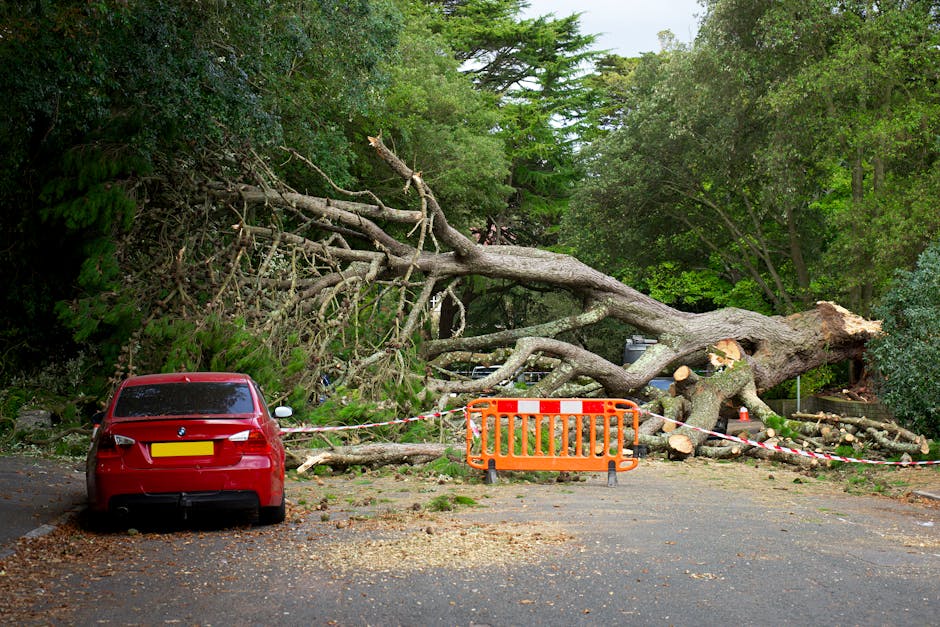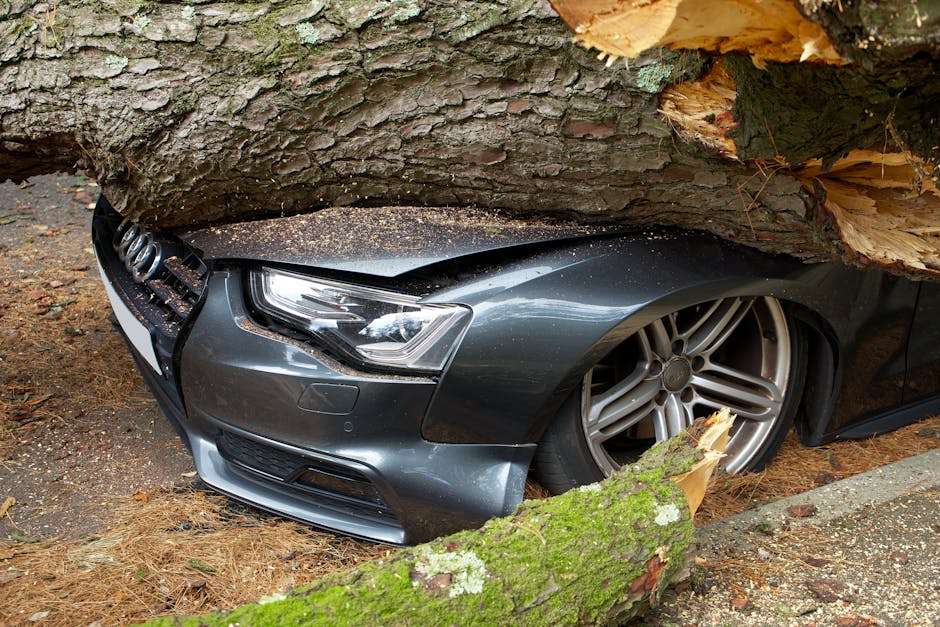
Storm damage garden repairs Mill Hill urgent gardeners: fast, safe recovery for damaged outdoor spaces
Storms rarely leave gardens looking tidy. One strong burst of wind, a night of heavy rain, or a fallen branch can turn a normal Mill Hill garden into a messy, unsafe space by morning. Broken fencing, torn trellis panels, waterlogged turf, scattered debris, and damaged planting beds all need attention quickly, and not just for appearance. This is where Storm damage garden repairs Mill Hill urgent gardeners become essential: not as a luxury, but as a practical response that helps protect people, property, and the rest of the garden from further harm.
If you are staring at a leaning fence panel or a cracked patio edge after a storm, you probably want two things: a clear plan and someone who can act without fuss. Fair enough. This guide explains what storm-related garden repairs involve, how urgent gardeners typically approach them, what to prioritise first, and how to make sensible decisions in the hours and days after the damage happens. It also covers safety, common mistakes, and the kind of details that are easy to miss when you are dealing with a blustery mess and a full bin bag already. Let's get into it.
Why storm damage garden repairs Mill Hill urgent gardeners matters
Storm damage in a garden is rarely just cosmetic. A snapped fence can expose your property, a fallen limb can crush planting beds or block access, and pooled water can soften soil until paths become slippery or unstable. In Mill Hill, where gardens may sit close to neighbouring boundaries, sheds, side passages, and shared access points, the knock-on effects can be immediate.
Urgent garden repairs are important because they do three jobs at once: they make the area safer, they stop damage from spreading, and they buy you time to plan any larger restoration properly. A loose panel left flapping in the wind, for example, can fail completely if ignored. Likewise, a damaged trellis or collapsed edge support may seem minor until the next gust comes through and makes everything worse. Storm repairs are one of those jobs where doing something sensible quickly usually beats waiting for the perfect weekend that never seems to arrive.
There is also a practical local angle. In suburban London gardens, space is often tight, so debris, unstable timber, and heavy wet materials can create an awkward and even dangerous working area. A quick response from experienced gardeners can make the difference between a manageable repair and a much bigger project. If you want to understand the broader range of garden help available, it is worth looking at the full services overview to see how repairs fit into wider maintenance support.
Expert summary: After storm damage, the smartest first move is rarely a full redesign. It is usually stabilise, clear, assess, and then repair in the right order.
How storm damage garden repairs Mill Hill urgent gardeners works
Although every garden is different, the repair process usually follows a similar pattern. Good urgent gardeners do not just start replacing things at random. They assess the site, identify what is unsafe, and decide what needs immediate attention versus what can wait until the weather improves.
Here is the typical flow:
- Initial call or enquiry: You describe the damage, where it is, and whether anything is unsafe. Photos help, if you can send them, because a leaning fence and a fully collapsed one are very different jobs.
- Safety-first inspection: The first task is to spot hazards such as unstable branches, broken glass, exposed fixings, trip risks, or waterlogged sections.
- Priority setting: The gardener decides what needs urgent stabilisation, what can be repaired immediately, and what may need parts or follow-up work.
- Debris removal: Loose timber, leaves, soil spill, broken pots, and storm litter are cleared so the area can be worked on safely.
- Structural repair: Damaged fence panels, posts, trellis, edging, gates, beds, or supports are fixed, replaced, or made safe.
- Surface and planting recovery: Paths are cleaned, borders reshaped, compacted soil relieved where possible, and damaged plants assessed for pruning or replacement.
- Final tidy-up: The garden is left safe and usable, with any waste handled responsibly and the next steps explained clearly.
That sequence sounds straightforward, but in practice the order matters a lot. If you repair a fence before removing a buried branch or a slumped soil bank behind it, the fix may not last. If you cut back a tree limb without checking where the weight is sitting, you can create a second problem faster than you can say "that wasn't meant to happen."
For many homeowners, the most helpful thing is a calm explanation of what can be saved, what needs replacing, and what should be monitored. If you are comparing service quality, it is sensible to review a provider's background and approach so you know who is handling the job and how they work.
Key benefits and practical advantages
Storm repair work is about more than restoring order. Done properly, it gives you a safer property and a garden that recovers more naturally over time. The benefits are both immediate and long-term.
- Reduced safety risk: Broken branches, loose panels, and slick paths are dealt with before someone gets hurt.
- Less secondary damage: Fast intervention can prevent water ingress, soil washout, or further structural failure.
- Better plant survival: Damaged shrubs and beds are easier to rescue when they are assessed promptly.
- Cleaner appearance: A garden can go from looking neglected to manageable in a single organised visit.
- Clearer insurance conversations: If you need to make a claim later, a prompt repair record and good photos can help support the process.
- Less stress: To be fair, there is something reassuring about seeing the mess under control again.
There is also the practical reality of time. After a storm, you may already be juggling work, family, and the usual life admin. Having urgent gardeners handle the awkward bits can save you the backache, the second-guessing, and the "should I have done that differently?" spiral that tends to follow a bad night of weather.
If budget planning matters, you may want to review pricing and quote information before booking. It helps set expectations early and avoids awkward surprises later on.
Who this is for and when it makes sense
This kind of service is useful for a wide range of people, not just those with large gardens or mature trees. In fact, smaller urban and suburban spaces often need the fastest response because damage can block access or create immediate neighbour issues.
It makes sense if you are dealing with any of the following:
- a fence panel blown loose or fully broken
- tree limbs or large branches scattered across the garden
- garden beds crushed by debris
- waterlogged soil, washed-out borders, or exposed roots
- slabs, stepping stones, or edging that have shifted
- damaged gates, trellis, archways, or privacy screens
- uprooted shrubs or broken plant supports
- urgent clearance after a night of severe wind and rain
It is also relevant if you are a landlord, letting agent, or property manager with a duty to keep outdoor areas reasonably safe. A damaged path or unstable fence close to an entrance is not something to ignore for long. If the issue affects multiple areas or you are unsure what should be tackled first, a broader garden maintenance and repair overview can help you understand the likely scope.
Sometimes the need is obvious. Sometimes it is not. Maybe the fence looks fine from the kitchen window, but one panel has shifted just enough to leave a weak point. Maybe the border has caved in slightly and the damage only becomes visible once the rain stops and the soil settles. Those are the jobs that catch people out.
Step-by-step guidance for the repair process
If you are arranging storm repairs, it helps to know what a good sequence looks like. You do not need to be a gardening expert, but a little structure makes the whole thing less overwhelming.
1. Make the area safe before doing anything else
Keep children, pets, and visitors away from obvious hazards. If a fence is leaning, if branches are partially suspended, or if a surface is slippery, do not treat it as "probably fine." Storm-damaged materials can move suddenly.
2. Take a few quick photos
Before anything is moved, take clear pictures from several angles. These are useful for your own records and can support any later insurance conversation. You do not need a perfect photo set. A handful of decent images is usually enough.
3. Identify urgent versus non-urgent issues
Urgent problems include hazards, access blockages, and anything likely to worsen. Less urgent issues might be damaged planting, broken pots, or decorative features that can wait until after the main safety work.
4. Clear debris carefully
Branches, broken timber, and wet leaves may hide nails, sharp edges, or unstable sections. This is where a methodical approach matters. It is easy to miss something when you are trying to get the garden back to normal in one go.
5. Repair or stabilise structural elements
Fence posts, panels, supports, gates, and edging usually come first. If the underlying support is weak, cosmetic fixing alone will not last. The right fix may be a replacement panel, re-setting a post, reinforcing a frame, or temporary stabilisation until the weather improves.
6. Restore the surface and planting areas
Once the safe structure is back in place, the focus can move to soil levelling, bed recovery, pruning broken growth, and re-establishing a clean finish. This stage can be modest or extensive depending on the storm's impact.
7. Finish with waste removal and a short review
A good end point is a tidy, safe garden with clear advice about anything to monitor. If waste needs separating for recycling or green disposal, that should be handled responsibly too. Some customers ask about this late in the process, but honestly it is better to ask early.
When in doubt, start with the risk, not the visible mess. That one habit saves time.
Expert tips for better results
Over the years, one thing becomes obvious: the best storm repairs are usually the ones that prevent the next repair. Small choices now can save a much bigger headache later.
- Check the hidden damage: A panel may look replaceable, but the post or bracket behind it could be the real issue.
- Do not rush wet soil: Walking and working on saturated ground can compact the soil and make recovery harder.
- Prune with restraint: Removing too much broken growth can shock a plant. Trim only what is necessary and keep an eye on regrowth.
- Use temporary fixes wisely: A brace or support can buy time, but it should not become a permanent patch unless it is designed to do so.
- Keep drainage in mind: If water is sitting in the same spot after every storm, the repair plan should include that problem too.
- Be realistic about replacement: Sometimes a damaged item can be saved; sometimes it is just not worth spending more on a weak structure.
A small practical example: after a windy evening, a homeowner may notice a broken panel and decide to secure it with a few ties. That can be fine for a day or two, but if the post has twisted, the panel is already under strain. A proper repair may be quicker and cheaper than re-fixing the same thing twice. Nobody enjoys paying for the same fence twice. Nobody.
For trust and safety expectations, it is also useful to choose a provider that is transparent about its working practices. You can read more about garden health and safety standards and insurance and safety information before you decide who to book.
Common mistakes to avoid
Storm damage brings out a very human instinct: fix it quickly and hope for the best. Sometimes that works. Often it creates extra work. Here are the missteps that show up again and again.
- Ignoring hidden hazards: A branch can look harmless until it shifts. Always assume there may be tension in damaged wood.
- Using the wrong fixings: Outdoor repairs need weather-appropriate materials, not whatever is in the shed drawer.
- Leaving debris against fences or walls: Moist debris can hold water against surfaces and make decay worse.
- Over-cutting plants: A hard prune may seem neat, but it can reduce a plant's ability to recover.
- Skipping photos: If you need evidence later, memory is not as reliable as people think. Funny how that works.
- Delaying the first response: Small storm damage often escalates because nobody wants to deal with it on a damp Tuesday morning.
Another quiet mistake is forgetting the neighbouring side of the garden. In Mill Hill, where boundaries can sit close together, storm damage may affect shared fences or create debris spillover. A brief conversation with neighbours can save hassle. Keep it simple and factual. No drama needed, ideally.
Tools, resources and recommendations
Storm repair work can involve a mix of clearance, pruning, fixing, and finishing. The right tools depend on the damage, but the basics tend to be consistent.
| Task | Typical tools or materials | Why it matters |
|---|---|---|
| Debris clearance | Rakes, gloves, loppers, sacks, wheelbarrow | Helps remove hazards quickly and safely |
| Tree and shrub recovery | Pruning saws, secateurs, ties, stakes | Supports careful cutting and plant recovery |
| Fence and structure repairs | Posts, brackets, screws, anchors, level, drill | Creates a stable long-term fix rather than a temporary patch |
| Soil and border restoration | Spade, fork, topsoil, mulch, edging | Resets disturbed areas and improves drainage |
| Waste handling | Sacks, segregation for green waste, reusable containers | Supports a tidy finish and responsible disposal |
Good gardeners also work with a clear eye on waste reduction. If storm damage creates a lot of organic material, it is sensible to ask how green waste will be managed. You can also review the company's recycling and sustainability approach if that matters to you, and for many customers it does.
If you are still deciding who to hire, a quick read through contact details and enquiry options can help you move from research to action without wasting time. That part is refreshingly boring, which is exactly what you want during a storm clean-up.
Law, compliance, standards and best practice
For most homeowners, storm damage repairs are a practical maintenance issue rather than a legal one. Even so, there are a few sensible best-practice points worth keeping in mind.
Safety first: Any repair involving unstable structures, sharp debris, or climbing should be handled carefully. If there is a serious risk from hanging branches, unsafe walls, or major structural failure, it may be necessary to leave the area alone until it can be assessed properly.
Neighbour awareness: If damage affects a shared boundary or creates access issues, open communication is usually the simplest route. Many disputes start because somebody assumes the other side will sort it out. Often they won't, not immediately anyway.
Insurance records: If you believe you may need to make a claim, keep notes, photos, and any job records. Avoid rushing into irreversible work before you have captured the damage properly, unless there is an immediate safety need.
Waste handling: Garden waste should be removed and processed responsibly. If materials include treated timber, broken fixings, or mixed debris, they may need separating rather than simply bundled together. A reputable service should be clear on what can be recycled and what must be disposed of.
Service transparency: Before booking urgent work, it is wise to understand payment terms and what is included. For that, the payment and security information and terms and conditions are useful reading, plain and simple.
One more thing: if you have accessibility needs, it can help to check how communication and site access are handled. Small details matter when a garden is partly blocked or difficult to reach. The provider's accessibility statement can offer useful reassurance there.
Options, methods and comparison table
Not every storm-damaged garden needs the same response. Some situations call for an immediate secure-and-clear approach; others need a more careful restoration plan. Here is a simple comparison to help you think it through.
| Approach | Best for | Strengths | Limitations |
|---|---|---|---|
| Immediate stabilisation | Unsafe fences, loose branches, access hazards | Fast, practical, reduces immediate danger | May only be temporary |
| Clear-and-repair | General storm mess with visible structural damage | Cleans the site and restores function in one visit | Can take longer if materials are needed |
| Restore-and-improve | Gardens needing repair plus drainage or layout tidying | Addresses root causes and reduces repeat damage | Usually more involved and may cost more |
| Phased recovery | Larger or more complex storm damage | Lets you prioritise safety first and plan properly | Takes more than one visit |
In many cases, the right answer is a mix: stabilise now, repair next, improve later. That is not indecision; it is good judgement.
Case study or real-world example
Imagine a Mill Hill homeowner waking up after an overnight storm to find part of the side fence blown outward, two mature shrubs flattened by wind, and a patch of border soil washed over the paving. Nothing dramatic in a headline sense, but enough to make the garden feel exposed and awkward to use.
The first step is a quick safety check. One fence panel is dangling at the top, so that area is cordoned off. The broken panel and loose timber are removed carefully, and the post is checked for movement. It turns out the post has shifted in soft ground, which means the panel replacement alone would not solve the problem. The damaged structure is stabilised, the debris is cleared, and the border soil is reshaped so water can drain away more naturally.
The shrubs are then pruned back lightly, not hacked down. One has a broken stem, but the rest can recover. By the end of the visit, the garden is safe, accessible, and looking far better. Not perfect. Real gardens rarely are, especially after a storm. But manageable, and that is the point.
That kind of job is a good reminder that urgent garden repairs are not just about replacing what broke. They are about restoring use, safety, and confidence in the space. Little by little, the place feels yours again.
Practical checklist
Use this quick checklist if you need to act fast after storm damage.
- Keep people and pets away from unstable areas
- Look for hanging branches, loose panels, and trip hazards
- Take photos before moving anything
- Separate urgent hazards from cosmetic damage
- Check whether water has pooled or soil has collapsed
- Clear loose debris carefully, not hurriedly
- Stabilise structures before doing cosmetic tidying
- Ask how waste will be removed or recycled
- Keep records if insurance may be involved
- Book follow-up work if the damage is broader than it first appears
If you are unsure whether a job is urgent, err on the side of caution. Storm damage has a habit of looking smaller at first glance than it really is. That is just how it goes, annoyingly.
Get a free quote today and see how much you can save.
Conclusion
Storm damage can make a garden feel chaotic very quickly, but the right response is usually straightforward: secure the area, clear the hazards, repair the structure, and then restore the details. For Mill Hill homeowners dealing with broken fencing, fallen branches, or washed-out borders, urgent gardeners bring order back to a space that may suddenly feel difficult to use.
The best results come from calm, practical decision-making. Not every damaged item needs immediate replacement, but every hazard deserves attention. That balance matters. If you want a safer, more usable garden without the guesswork, prompt professional help is usually the sensible next step.
And once the mess is dealt with, there is always that small moment when you step outside, breathe in the damp air, and realise the garden is yours again. Quietly better. Properly sorted.
Frequently Asked Questions
How quickly should storm damage garden repairs be arranged?
If there is a safety risk, access problem, or unstable structure, it should be arranged as soon as possible. Cosmetic damage can wait a little longer, but hazards should not be left sitting through another windy night.
What counts as urgent garden storm damage?
Urgent damage usually includes loose fencing, hanging branches, blocked access, slippery surfaces, collapsed edging, or anything likely to worsen if ignored. If you would not let a child or visitor near it, that is a good clue.
Can gardeners repair fences after a storm?
Yes, depending on the damage. Some fences need a panel replacement, others need a post reset or temporary stabilisation first. The key is finding the actual point of failure rather than only fixing what looks broken.
Should I take photos before clearing the damage?
Yes, if it is safe to do so. Photos are useful for records, planning, and any insurance discussion later. A few clear images from different angles are usually enough.
Will storm damage repairs also include waste removal?
Often, yes. Debris clearance is usually part of the process or can be added in. It is worth asking how green waste, broken timber, and mixed materials will be handled before work starts.
What if my garden is waterlogged as well as damaged?
That is common after heavy rain. Waterlogging should be treated carefully because wet soil can compact easily and make repairs harder. A good gardener will usually address drainage and access before doing fine restoration work.
Is it better to repair or replace storm-damaged garden items?
It depends on the structure and the extent of the damage. A small crack or loose panel may be repairable, but rotted timber, twisted posts, or repeated failures often point to replacement being the better long-term choice.
Can plants recover after storm damage?
Many can, yes. Broken stems, flattened shrubs, and disturbed beds are often recoverable with careful pruning and support. The sooner they are assessed, the better the chance of a good recovery.
How do I know if the damage is serious enough to call for help?
If there is any risk of injury, property exposure, or further collapse, it is serious enough to get help. Even if it looks minor, a professional assessment can prevent a bigger problem later.
What should I ask before booking an urgent gardener?
Ask what the response includes, how they handle safety and waste, whether they can stabilise structures, and how pricing is explained. It is also sensible to check basic business information and policies before you go ahead.
Do urgent storm repairs need to follow any standards or best practices?
Yes, in the practical sense that safety, careful handling of debris, and proper waste management should all be part of the job. For more formal peace of mind, review the provider's safety, insurance, and terms information before booking.
Where can I go next if I need help right away?
The most direct next step is to make an enquiry and share clear details about the damage. If you want to understand the service structure first, the services overview, pricing and quotes, and contact page are the best places to start.